
Why weight loss feels different in midlife (and what GLP-1 isn’t telling you)
If you’ve ever thought, “I’m counting calories… I’m exercising loads… so why aren't the scales moving?” - you’re not alone.
For many women, weight gain in their 40s seems to come out of nowhere. And the frustrating thing is the strategies that used to work, like cutting calories, doing more cardio and being 'good' during the week, suddenly stop delivering results.
What's more, with the increasing use of weight loss injections, it’s easy to feel like you’re missing a trick.
The thing is, it's not about lack of willpower. Your body has changed. And once you understand what's going on, you can start to move the needle and achieve long-term results naturally, rather than short-term quick wins.
The missing piece in the weight loss conversation
In midlife, weight gain is rarely as simple as 'calories in, calories out'. And if you've been struggling with your weight for some time, you might now be wondering whether weight loss injections are the answer you've been searching for.
Studies show that these medications successfully suppress appetite and deliver weight loss and they really can be life-changing for many.
But here's the conversation that needs to happen more often.
There’s a lot more to these medications than just the weight loss. They come with a host of side effects - some can be very serious - and they do not change eating habits when you stop taking them, resulting in weight regain.
Whether you're using them already or you're considering it, it's important to understand how they work, whether they're right for you and most importantly, why your body started gaining weight in the first place.
Why midlife weight gain is different
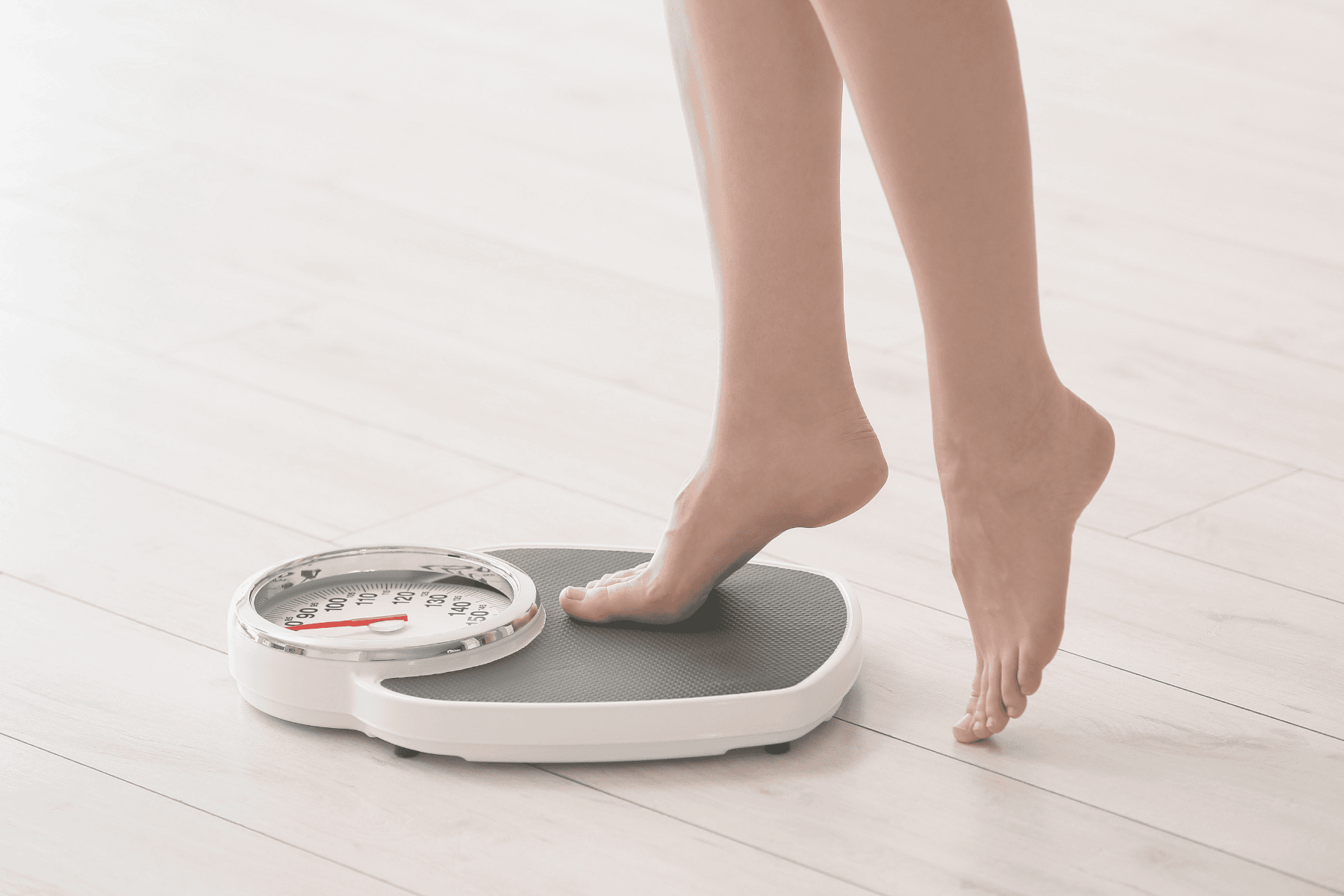
There are a few key shifts happening in your body during perimenopause that directly impact your ability to lose weight:
1. Fluctuating hormones
Oestrogen and progesterone begin to fluctuate (and eventually decline) which can affect:
- Fat distribution (especially around the middle)
- Insulin sensitivity
- Appetite and cravings
This is why you might notice more weight around your tummy - even if your habits haven’t changed.
2. Blood sugar imbalance
Declining oestrogen also affects the body's insulin response.
This means:
- More blood sugar spikes
- More fat storage
- More cravings and energy dips
You might feel like you’re constantly hungry or reaching for sugar - not because of lack of discipline, but because your blood sugar is on a rollercoaster.
3. Chronic stress and cortisol
Busy life, poor sleep, constant juggling… it all adds up.
When cortisol stays elevated for long periods, your body is more likely to:
- Store fat (particularly abdominal fat)
- Increase cravings
- Disrupt sleep further
It becomes a cycle that’s hard to break.
4. Loss of muscle mass
From your 30s onwards, you naturally start to lose muscle.
Muscle is more metabolically active than fat. So less muscle mass means a slower metabolism.
Even if you’re eating the same way you always have, your body is burning fewer calories.
Where GLP-1 fits in
When you hear the term "GLP-1" your mind probably goes straight to the increasingly popular weight loss injections. But GLP-1 is actually a hormone that your body already produces naturally, alongside other appetite regulating hormones, such as GIP and leptin.
It is released in response to food intake and it helps to:
- Regulate appetite
- Slow digestion
- Improve blood sugar balance
Weight loss injections mimic or enhance this effect so you feel less hungry and lose weight, but you're not addressing what else is going on in your body.
If your blood sugar is unstable, your stress is high, your sleep is poor and your nutrition isn’t supporting you properly… those underlying drivers don’t magically disappear when the medication stops.
Why “eat less, move more” backfires in midlife
One of the biggest mistakes women make at this stage is doubling down on restriction.
Cutting calories, especially carbs and doing endless cardio might seem logical, but it can actually make things worse by:
- Increasing cortisol (stress on the body)
- Slowing your metabolism further
- Worsening blood sugar imbalances
- Driving stronger cravings later on
It becomes a cycle of under-eating, overdoing it and then feeling like you’ve 'failed'.
A smarter approach to weight loss after 40

Instead of fighting your body, the goal is to support it.
That means focusing on the key areas that actually influence your metabolism and hormones. If medication isn't for you, these strategies can help you increase GLP-1 production naturally to manage your appetite and food intake.
1. Balance your blood sugar
This is the foundation of everything.
Focus on:
-
Whole, minimally processed foods
-
Protein and healthy fats with every meal
-
Plenty of colourful vegetables (including dark green leafy veg)
-
Slow-release carbs (wholegrains, oats, sweet potato, quinoa)
- Regular meals (not skipping and then overeating later)
When your blood sugar is stable, everything becomes easier - energy, cravings, mood and fat loss.
2. Prioritise protein
Many women in midlife aren’t eating enough protein.
Protein helps to:
- Preserve muscle mass
- Keep you fuller for longer
- Support metabolic health
It’s one of the simplest but most powerful shifts you can make.
3. Rethink exercise
More isn’t always better.
Instead of excessive cardio, focus on:
- Strength training (to build and maintain muscle)
- Walking (to support blood sugar and stress)
- Gentle movement (like yoga or Pilates)
Your body doesn’t need more punishment, it needs the right kind of support.
4. Support sleep
Poor sleep disrupts:
- Hunger hormones
- Blood sugar control
- Stress levels
If your sleep is off, weight loss will feel significantly harder, no matter how 'perfect' your diet is.
5. Prioritise self-care
You don’t need a complicated routine or expensive time-consuming hobbies.
Simple, consistent habits can make a big difference:
- Saying no more often
- Screen-free evenings
- Getting outside
- Breathing, pausing, switching off
Because a stressed body will always prioritise survival over fat loss.
Getting the right support
Weight loss after 40 isn’t about trying harder. It’s about understanding your body and giving it what it actually needs.
Whether you've gone down the medication route or you just feel like you've been going round in circles, personalised support can be the difference between short-term wins and lasting results.
"For the first time in ages I feel so much better in myself and at last I am losing weight!"
Client feedback
I work 1-2-1 with women in midlife to uncover the root causes behind weight gain, fatigue and hormonal symptoms and create a personalised plan that works for your body and your life.
Simply book a FREE call and let's have a chat