Protecting your bones in perimenopause – why bone health matters more than you think
When we think about healthy ageing, the focus is often on eating what we think is a nutritious diet, maintaining a healthy weight, avoiding excessive alcohol or smoking and doing some exercise. Yet one of the most important aspects of long-term health often gets overlooked until there's a problem – our bone health.
Osteoporosis affects 3.5 million people in the UK. Half of women over 50, and 1 in 5 men, will experience a fracture related to bone loss in their lifetime.
It is often called a "silent condition" because it develops slowly over years with no symptoms and is often only diagnosed after breaking a bone – which is exactly why understanding your risks and acting right now is so important.
Why perimenopause is a turning point for bone health
Bone is living tissue that is constantly being broken down and rebuilt. During childhood and into early adulthood, we build bone faster than we lose it. Peak bone mass is typically reached by our mid-late twenties.
Oestrogen plays a crucial role in that process by helping to slow bone loss. When oestrogen begins to decline in perimenopause, often from the early forties, bone loss can accelerate significantly.
In the first decade following menopause, women can lose up to 20% of their bone density. This is the window where risk quietly but rapidly builds and it's why midlife is such a critical time to pay attention.
What else increases the risk of bone loss?
Other factors that contribute to declining bone health include:
- A family history of osteoporosis or maternal hip fracture
- Low body weight or a history of excessive dieting
- Smoking
- High alcohol intake
- Sedentary lifestyle
- History of broken bones
- Low calcium or vitamin D status
- Conditions affecting nutrient absorption like Crohn’s or Coeliac disease
- Conditions like rheumatoid arthritis, hyperthyroidism and parathyroid disease
- Certain medications, including long-term corticosteroids
What about testing?
If you have risk factors for osteoporosis it may be worth discussing a bone health assessment with your GP. A DEXA (Dual-Energy X-ray Absorptiometry) scan is a simple, non-invasive test that measures bone mineral density. Identifying changes early can help guide nutrition, exercise and lifestyle interventions before significant bone loss occurs.
An important conversation about GLP-1 medications
While weight loss injections such as Mounjaro and Wegovy have become increasingly popular, there has been growing evidence regarding their potential impact on other aspects of health.
Of course, these medications can be highly effective in supporting weight loss in appropriate individuals, but rapid weight loss usually comes from muscle as well as fat – and muscle is a key driver of bone density. Strong muscles place beneficial stress on bones, helping to maintain their strength and density.
Additionally, those using these injections will have a significantly reduced calorie intake and are unlikely to be getting all the required nutrients – specifically calcium, vitamin D, magnesium and protein – to maintain bone remodelling.
For midlife women already facing hormonally driven bone loss, this additional layer of risk should not be ignored. This is why seeking personalised nutrition and lifestyle guidance is even more important.
How nutrition can support stronger bones
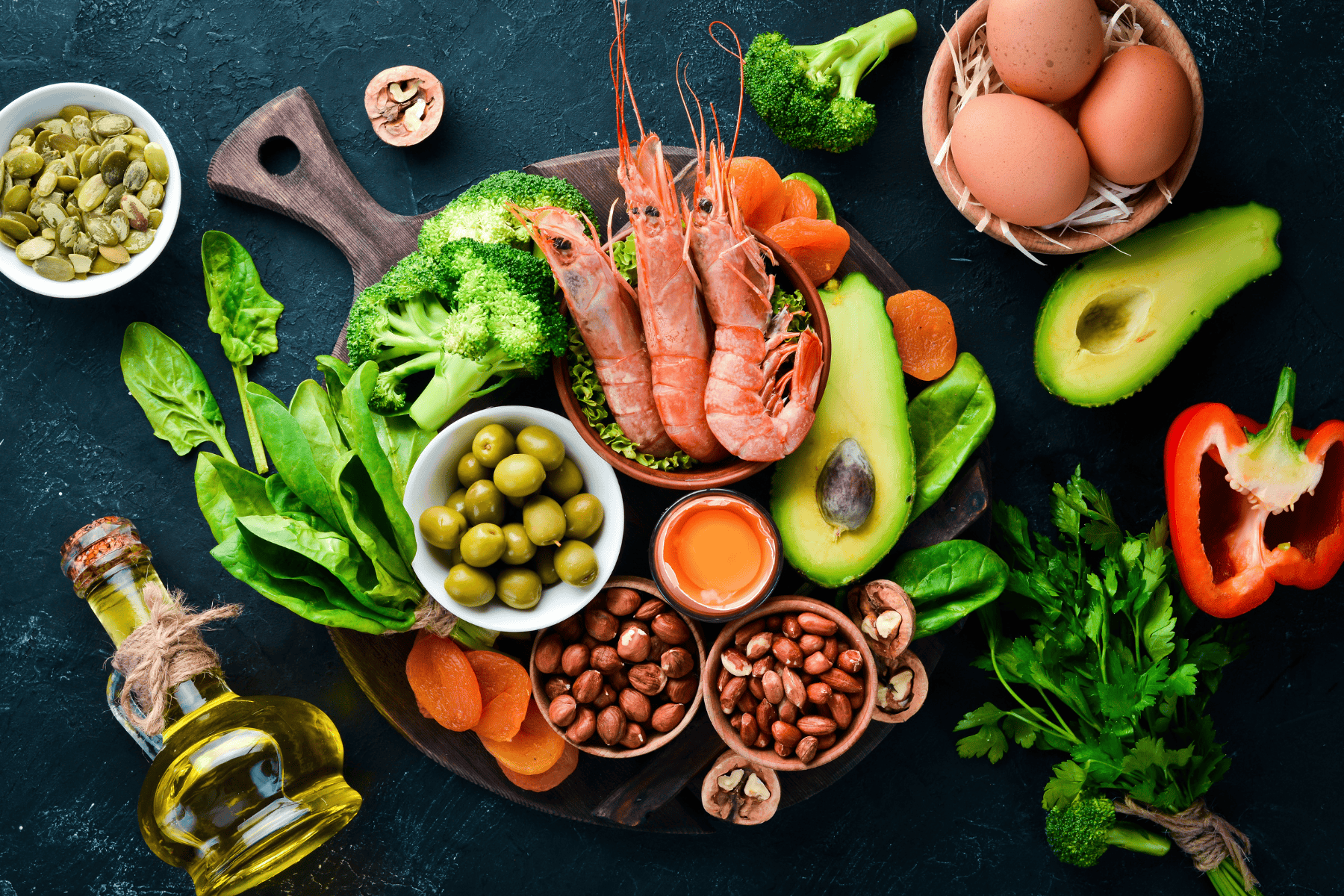
Calcium usually gets all the attention, but bone health depends on a range of nutrients working together. Food is one of your most powerful tools for bone health.
Calcium
Calcium provides the building blocks for bones.
Good sources are found in dairy, sardines (with bones), dark leafy greens such as kale and bok choy, chia seeds, sesame seeds, tahini and tofu.
Aim to spread your intake throughout the day, as the body can only absorb a limited amount at one time.
Vitamin D
Vitamin D is essential for calcium absorption.
It’s largely obtained through sun exposure which means supplementation throughout autumn / winter is recommended. Ideally take a simple finger-prick test to determine your levels.
You do get small amounts from egg yolks, oily fish, liver and grass-fed cheese and butter – but not enough to maintain optimal levels.
Magnesium
Magnesium is essential to harden and strengthen your bones by helping your body use calcium and activate vitamin D.
Foods rich in magnesium are dark chocolate, avocados, almonds, legumes, tofu, seeds, whole grains and leafy greens.
Vitamin K2
Vitamin K2 plays a role in calcium metabolism and activates osteocalcin, a protein that helps stimulate new bone.
Food sources include fermented foods, meats, dairy products, and egg yolks
Zinc
Zinc supports bone growth, regulates bone breakdown and helps calcium form the bone structure.
Good sources include beef, prawns, spinach, flaxseeds, oysters and pumpkin seeds.
Vitamin C and Collagen
Collagen is a protein that gives bones their flexibility and strength and prevents them becoming brittle. Vitamin C supports the production of collagen.
The best food source of collagen is bone broth. Vitamin C-rich foods include a variety of fruit and veg, such as broccoli, cauliflower, kale, red pepper, kiwi,strawberries and citrus fruit.
Protein
Adequate protein is essential for bone matrix formation and to preserve the muscle mass that supports and protects bones. Unfortunately, most women in mid-life are not including enough in their diet.
Aim to include a source of protein at every meal, such as fish, eggs, poultry, meat, dairy products, legumes or tofu – ideally a minimum of 30g protein per meal.
Movement that makes a difference
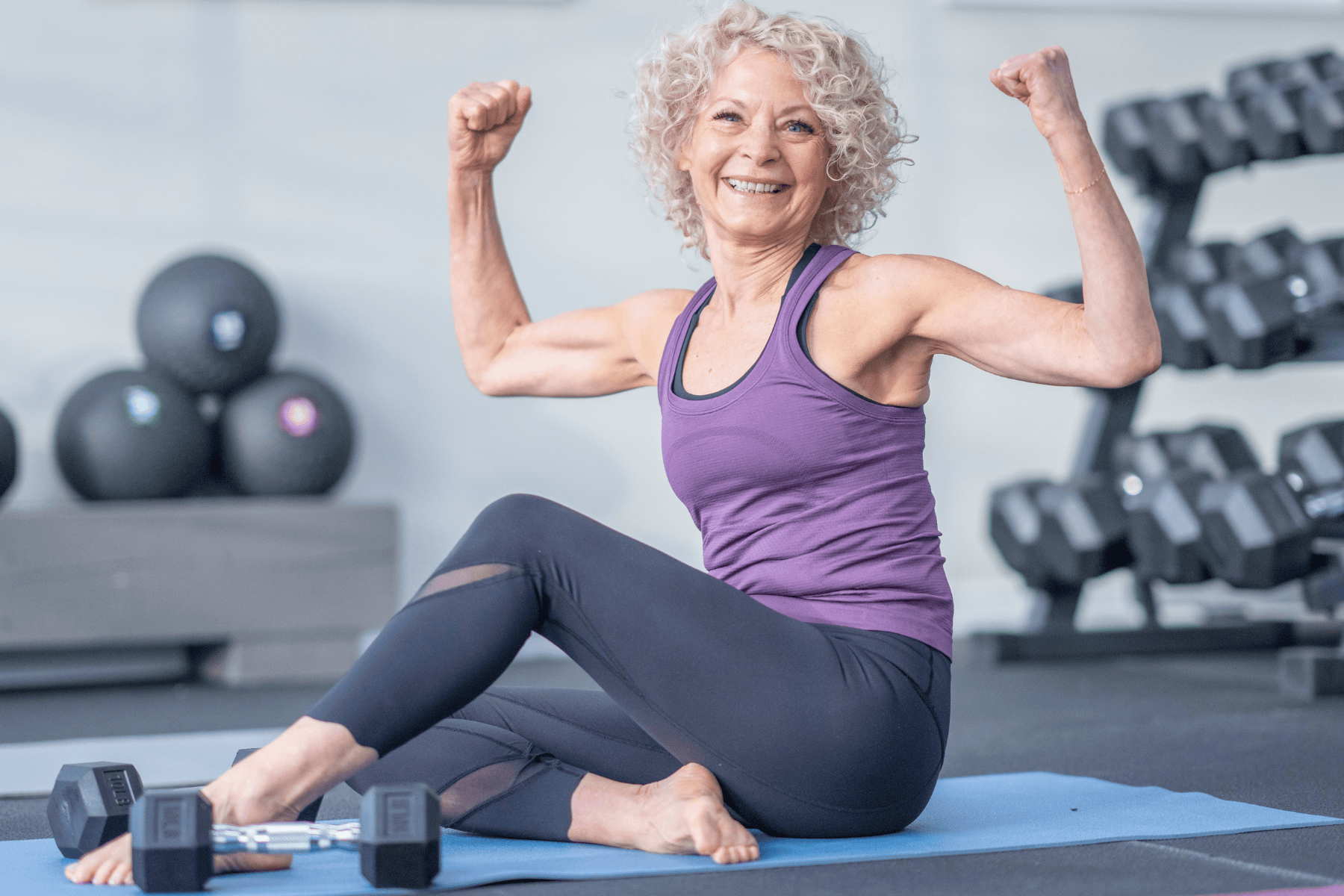
Not all exercise is equal when it comes to bones. The most effective types are those that load and stress the skeleton, prompting it to adapt and strengthen.
Impact activities
This can range from low to high impact – such as walking, hiking, hill climbing dancing, jumping, skipping, jogging, stamping, racket sports, star jumps, sprinting.
These all help stimulate bone remodelling.
Strength or resistance training
This is the best type of exercise for strengthening your bones. Lifting weights or working with resistance bands signals to the body to build and maintain bone mass.
Aim for at least two sessions per week.
Balance and posture work
Pilates and yoga can help strengthen your core and improve balance to reduce the risk of falls that can lead to fractures.
Should you consider supplements?
While food should always come first, supplements may be useful in some cases.
Vitamin D (with K2) and magnesium are the ones I most frequently recommend as most people have insufficient levels and it can be hard to meet requirements through diet alone – especially vitamin D levels in the UK.
Calcium supplementation may seem like an obvious solution, but it is more nuanced. Some studies show a link between high doses and an increased risk for cardiovascular disease and kidney stones. This is one to discuss with a professional healthcare practitioner to understand your individual needs rather than supplementing blindly.
The bottom line
Considering your bone health isn’t something to leave until later life.
Perimenopause is a crucial time to support your bones through nutrition, exercise and lifestyle. The more you can do now, the healthier and stronger your bones will be in the future and it’s never too late to start.
Ready to take a more personalised approach?
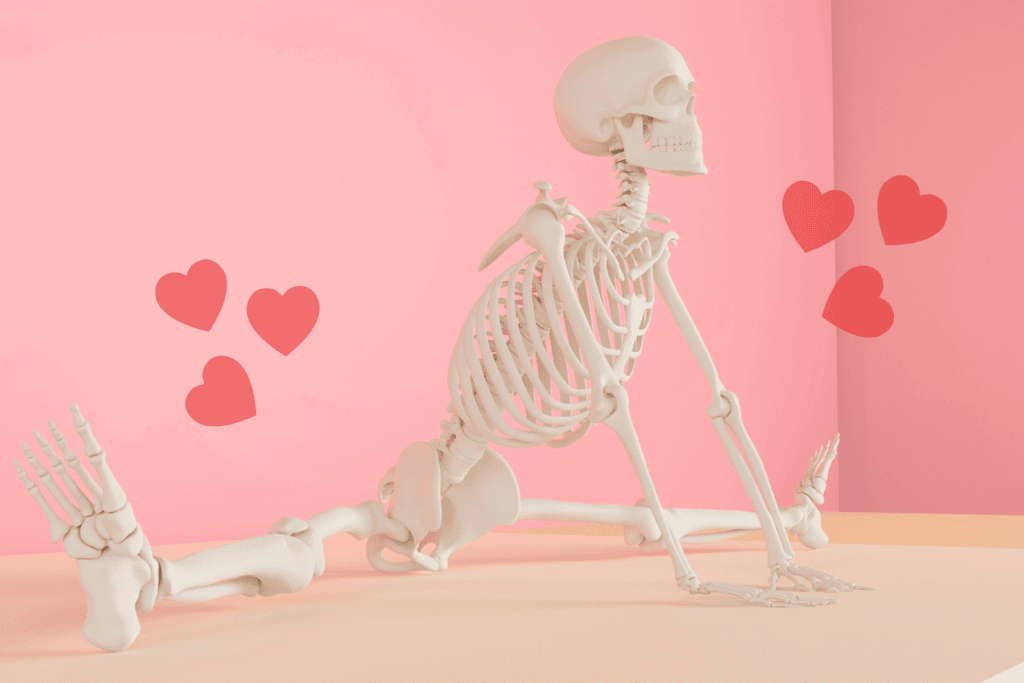
If you're in perimenopause or menopause and you're ready to show your bones some love or you want to finally get to the root of any of your symptoms, I can help.
My 1:1 programmes take a whole-body approach to your individual health status, to create a personalised plan that supports your hormones, energy, metabolism, digestive health and long-term wellbeing.
Simply book a FREE call and let's have a chat about what's going on.