

Are supplements worth it or is it money down the drain?
Are your kitchen cupboards overflowing with supplements you rarely remember to take? Perhaps you’ve forgotten why you bought the capsules, tablets, powders, liquids, oils or gummies (seriously?!) in the first place, or how they’re supposed to benefit you - if they even do?
You’re not alone. Over 50% of the UK population takes some form of vitamin or mineral supplement, and the market continues to grow – especially with social media influencers telling us what we “should” be taking. It’s easy to let FOMO take over. But the real question is, do we actually need these supplements? Do they work and are some brands better (or worse) than others? Or are we quite literally flushing our money down the toilet?!
Over 50% of the UK population takes some form of vitamin or mineral supplement, and the market continues to grow...
Can’t we get everything we need from food?
Ideally, a well-rounded, nutrient-dense diet should provide all the vitamins, minerals and phytonutrients the body needs. However, in reality, several factors can make this challenging, especially for women in midlife.

Balanced diet
Many people don’t eat a truly balanced diet, even when they believe they’re being healthy. Most fall short on protein and fibre and don’t come close to the target of 7-10 servings of fruits and vegetables per day or 30 different plant-based foods per week. Or they’re filling the gaps with processed foods that are marketed as “healthy” (spoiler alert – they usually aren’t).
Dietary restrictions
Some people have dietary restrictions – whether by choice or necessity – that limit their nutrient intake. For example, a poorly planned vegan diet might be low in iron, B12, omega-3 fatty acids and vitamin D. In such cases, supplements can play a vital role in filling the gaps.
Increased nutritional demands
Certain life stages and conditions increase nutrient needs. Hormonal changes in midlife increase the body's requirement for calcium, magnesium and vitamin D as bone density declines. Phytoestrogens, omega-3s and B-vitamins can support menopause symptoms and cardiovascular and brain health.
Stress can use up your nutrient supply quickly – especially vitamins B and C and magnesium. Medications, smoking, alcohol and caffeine further deplete the body of essential nutrients.
Nutrient depletion in foods
Modern farming practices, soil depletion and longer food transportation times have affected the nutrient density of our food.
A 2021 study [1] showed that the mineral content of fruit and vegetables sold in the UK has declined by around 50% in the last 80 years. As a result, even a seemingly balanced diet might fall short of providing the necessary nutrients in adequate amounts.
Are all supplement brands created equal?
Definitely not. The supplement industry is vast and there is a lot to consider when choosing your supplements.
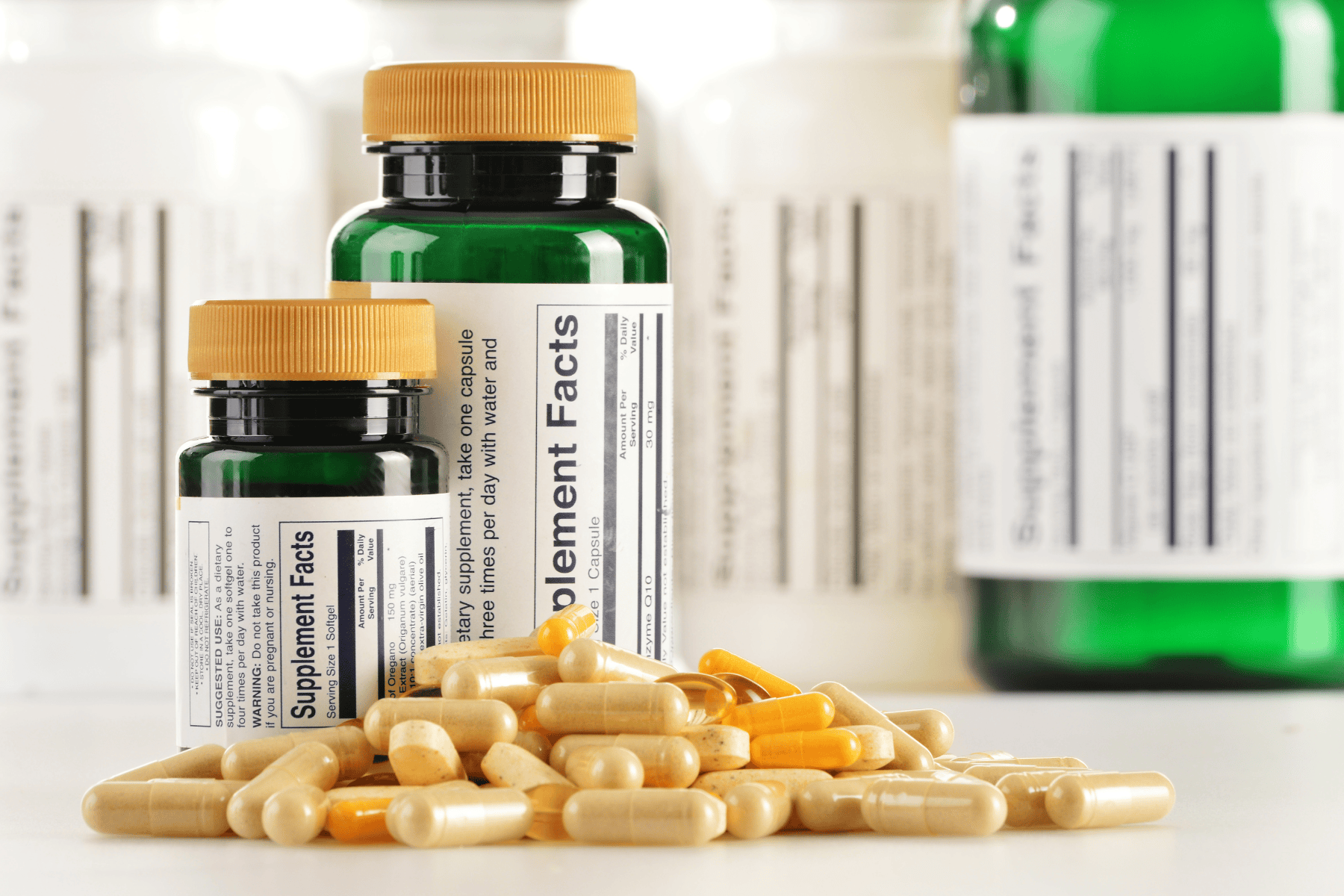
Active versus non-active ingredients
Many supplements contain a long list of ingredients other than the active micronutrient you’re looking for –‘excipients’.
Fillers, binders, emulsifiers, flow agents, artificial colours and flavours are frequently added to formulations. These can sometimes cause adverse reactions in sensitive individuals and detract from the supplement's overall effectiveness. Opt for clean, minimal-ingredient formulations when possible.
Bioavailability
The effectiveness of a supplement is also determined by its bioavailability—the rate at which a substance is absorbed and utilised by the body. For example, magnesium oxide is less bioavailable than magnesium citrate or magnesium glycinate.
Quality
Quality can be a bit hit and miss if you don’t know what you are looking for. The Food Standards Agency has control over the UK supplements market, but the controls aren’t as stringent as they are for medicines. Choose trusted brands that carry out testing and ideally consult a healthcare professional who will take a more strategic approach to what you need and recommend high quality, professional grade brands.
Are there any risks to taking supplements?
While supplements can be beneficial, more is not necessarily better and taking them in excess or without considering existing medications can pose risks.
Over-supplementation
Some vitamins and minerals can be harmful in high doses. Fat-soluble vitamins like A, D, E, and K can accumulate in the body, leading to toxicity.
Interactions with medications
Certain supplements can interact with prescription medications, altering their effectiveness or leading to adverse effects. St John’s Wort, for example, can alter the effectiveness of antidepressants and make birth control pills less effective. Omega 3 can have a blood thinning effect so it should not be taken with blood thinners like warfarin. Conversely Vitamin K is a clotting agent and could negate the action of a blood thinner.
If you are on any medication, it is important to check with your doctor before starting any supplements.
5 supplements I regularly recommend
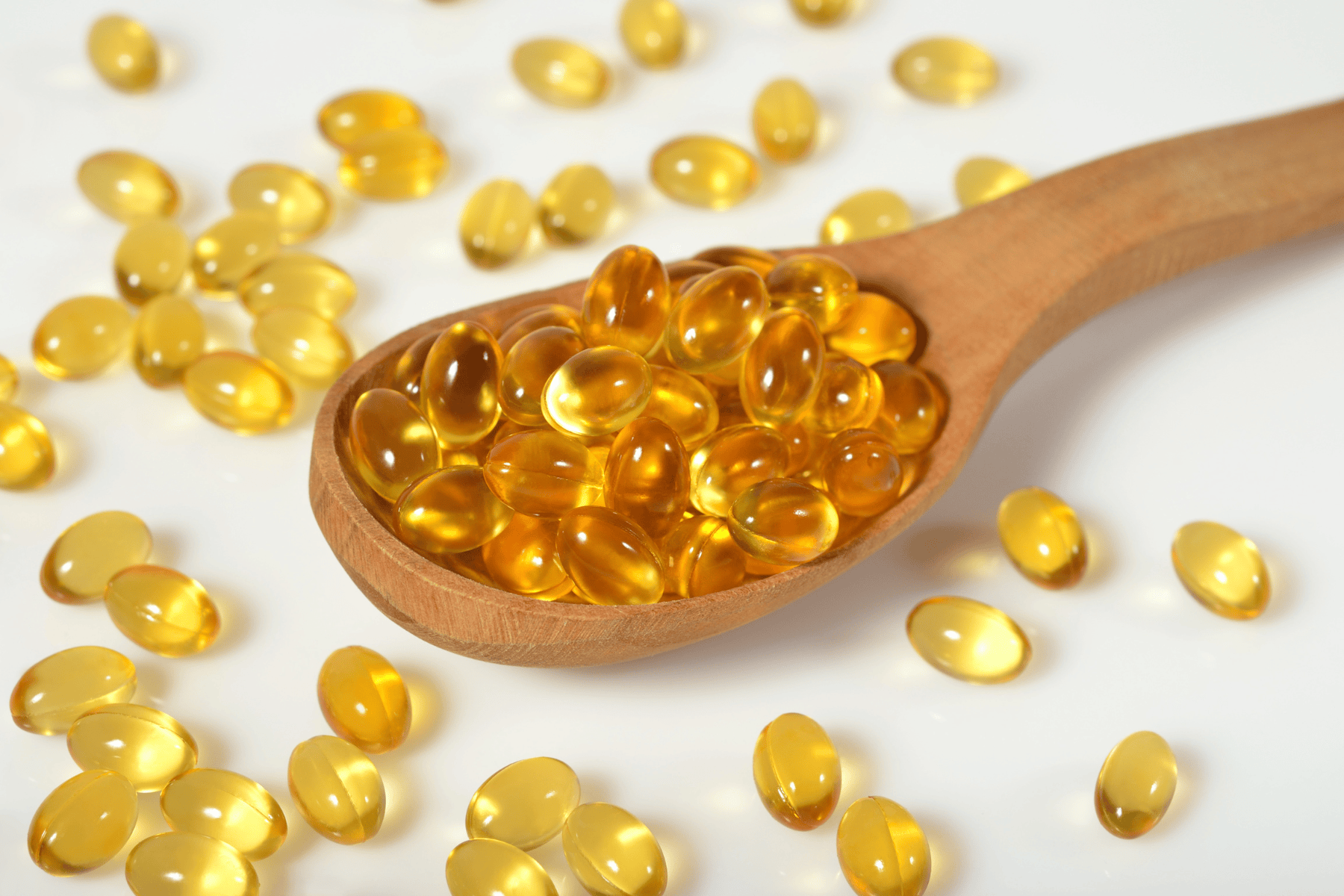
Everybody's needs are unique but these are 5 supplements that I regularly recommend:
1) Vitamin D3 with K2
The sunshine vitamin is essential for bone health, immune function and mood regulation. Vitamin D helps the body absorb calcium and when combined with vitamin K2 this then directs the calcium to the bones and stops it from calcifying in the arteries. In the UK most people have sub-optimal levels and the NHS recommends that everyone should supplement with D3 in the autumn/winter months – but ideally test your levels first.
2) Magnesium
Magnesium is involved in over 300 reactions in the body. It supports energy production, bone health, muscle function, relaxation and sleep, while also helping to regulate blood pressure and blood sugar levels. Magnesium glycinate has a good bioavailability and has a calming effect which may support sleep, anxiety, depression and muscle cramps. Magnesium citrate can have a laxative effect so is used to help relieve constipation.
3) Vitamin B complex
There are 8 different B vitamins each with different functions and requirements. The body does not store them, so they need to be replaced daily. They are essential for energy production, cell and DNA repair, immune health, mood regulation and cognitive function. Biotin is important for skin, hair and nail health. B6 and B12 may help perimenopause symptoms like brain fog.
4) Vitamin C
Vitamin C is another water-soluble vitamin, so we need to top up daily. It is a powerful antioxidant that supports immune health, helping the body fight off infections and reduce inflammation. It also plays a vital role in collagen production, which supports healthy skin, joints and blood vessels.
5) Omega-3 fatty acids
If you’re not eating oily fish 2-3 times a week then supplementing with omega-3 is important (see above re. medication interactions). They are anti-inflammatory and may support brain health – especially symptoms of depression and anxiety. They may reduce the risk of cardiovascular disease, improve bone and joint health and protect against several chronic conditions.
The bottom line
Supplements can offer significant benefits depending on your life stage and symptoms, but they are not a replacement for a healthy, balanced diet and lifestyle, which is crucial as you transition through perimenopause.
When considering supplements, it’s important to choose high-quality brands, avoid over-supplementation and check with your GP if you are taking prescription medication. Ideally consult a health professional to ensure they’re appropriate for your individual needs.
What’s right for your best friend or that social media influencer, is not necessarily right for you.
If you would like to review your supplement cupboard or discuss any of your health concerns then book a FREE 30 minute consultation and let’s have chat.