Cholesterol and menopause: here’s what you need to know
If you’ve been told your cholesterol has “crept up” since hitting your 40s, you’re not alone. I hear this from so many women who are surprised and concerned to see rises in their cholesterol levels during midlife - especially if they haven’t changed much about how they eat or live.
But should they be worried? Let’s break down what cholesterol actually is, why it often rises around menopause, common myths and what you can realistically do to support healthy levels.
What is cholesterol?
Cholesterol is a waxy, fat-like substance that your body needs to function.
It’s essential for:
- Healthy cell membranes
- Brain health
- Nerve function
- Hormone production (including oestrogen, progesterone and cortisol)
- Vitamin D production
- Digestion via bile production
Your body makes around 80% of its cholesterol in the liver. Only a small amount comes directly from food.
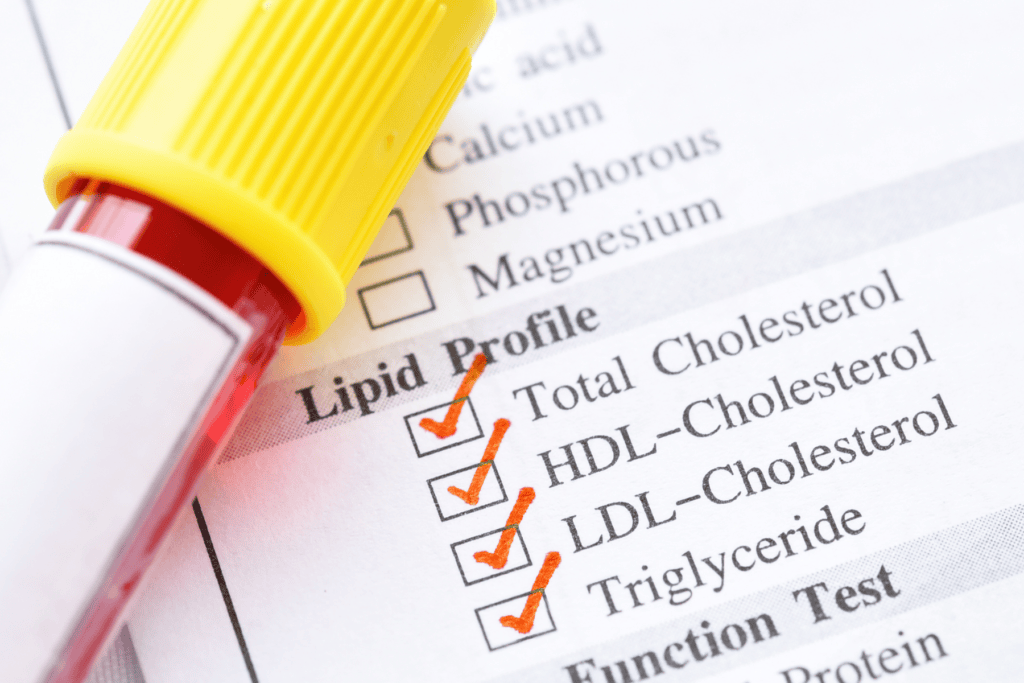
Cholesterol does not dissolve in water and so it travels through the bloodstream in transport molecules called lipoproteins. There are several different types of lipoprotein but you'll probably recognise a couple of them if you've ever had a full set of blood tests:
- LDL (low-density lipoproteins) – these carry cholesterol from the liver to tissues and are often referred to as the “bad” cholesterol
- HDL (high-density lipoproteins) – these transport excess cholesterol back to the liver for recycling or elimination and are often referred to as the "good" cholesterol.
- Triglycerides - these are a type of fat formed in the body from excess calories it can’t use right away. They are transported by two other types of lipoprotein and are stored in fat cells for later use.
It’s the pattern and ratios of these markers, not just total cholesterol, that matters. And even then, they don't give us the full picture.
Causes of high cholesterol
High cholesterol usually has no obvious symptoms, which is why it can come as a shock when you get your blood test results. But rather than panicking about the numbers it is more important to understand and address the possible root cause:
- Diet high in sugar and refined carbohydrates - excess sugars in the liver are converted to fat
- Insulin resistance - high blood sugar can lead to poor insulin sensitivity and increased cholesterol
- Chronic inflammation - leads to tissue damage and increased cholesterol production
- Lifestyle factors e.g. sedentary, smoking, excess alcohol
- Underlying conditions e.g. thyroid dysfunction, poor liver function
- Genetics - familial hypercholesterolemia (FH) - a gene mutation affects the body's ability to clear cholesterol in the liver
Why cholesterol rises in menopause
There’s a lot going on during this life stage and your fluctuating hormones play a huge part in your health picture.
During perimenopause and menopause:
- Oestrogen levels fall
Oestrogen helps regulate lipid metabolism in your liver and keeps LDL cholesterol in check. When oestrogen declines, cholesterol patterns often shift. - Insulin sensitivity can decline
Again the fall in oestrogen can contribute to increased insulin resistance - making it easier to store fat and raise triglycerides. - Muscle mass naturally reduces
A reduced muscle mass leads to a lower metabolic rate if strength training isn’t prioritised and increases fat storage. - Stress load increases
Hormonal shifts often lead to increased anxiety, poor sleep and generally higher levels of stress. Elevated cortisol (the stress hormone) is associated with high LDL cholesterol. - The liver becomes less efficient
Especially if nutrient status, gut health or thyroid function are sub-optimal.
These symptoms are due to hormonal changes, metabolic shifts and lifestyle load, and elevated cholesterol is often the result.
Common cholesterol myths

Myth 1:
Cholesterol is bad
Your body literally cannot function without it.
Myth 2:
Eating eggs raises cholesterol
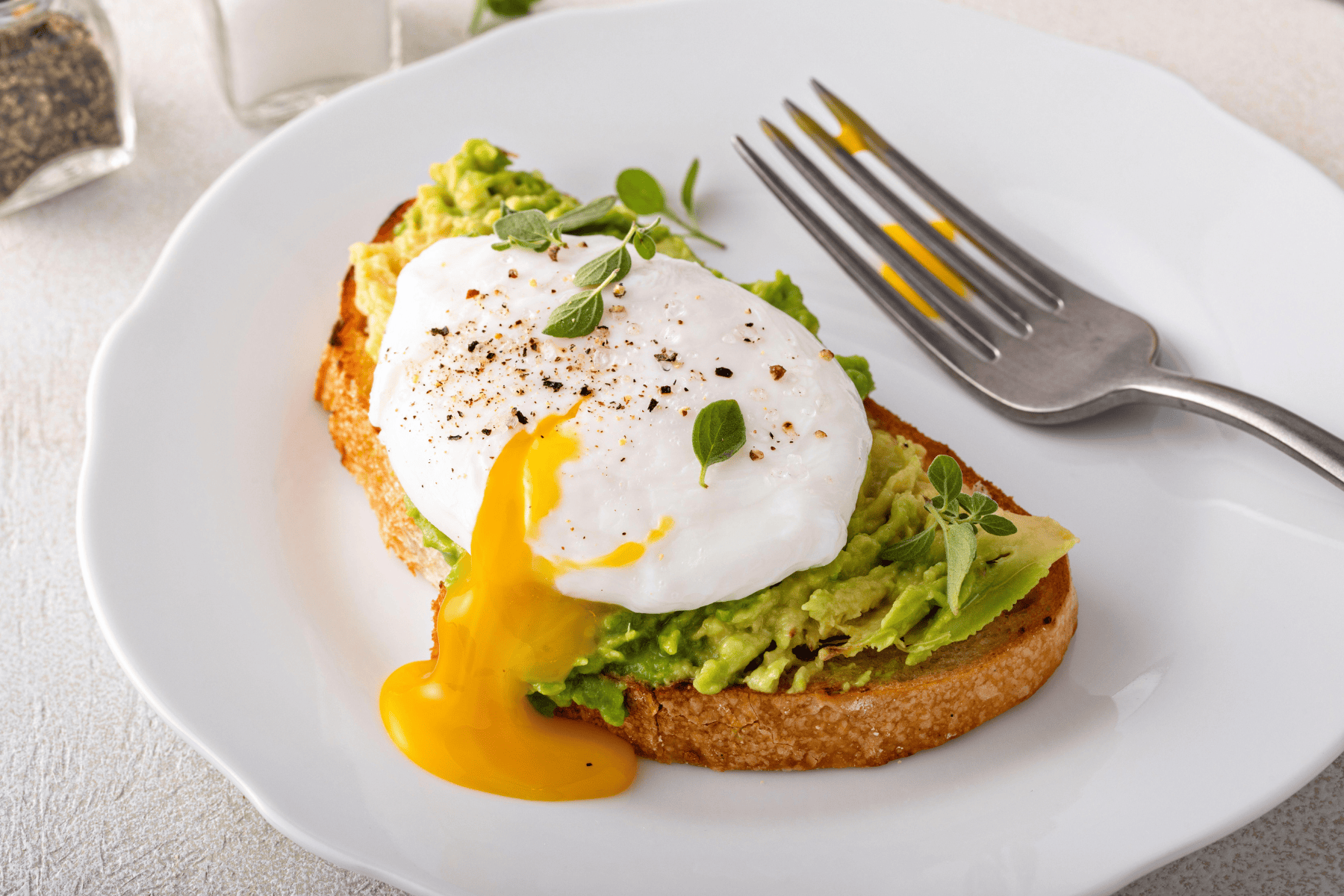
For most people, dietary cholesterol has little impact on blood cholesterol and eggs are a nutrient dense addition to your diet. If you happen to eat more eggs in one day your liver would simply adjust how much cholesterol it produces.
Myth 3:
Statins are the only answer
They may be helpful for those with a high cardiovascular risk, but they are only treating the symptom not the cause.
Myth 4:
Lower is always better
Very low cholesterol can impact hormone production, brain health and mood.
Context matters.
What your GP approach may look like
Typically, your GP will:
- Run a standard lipid panel which will give you total cholesterol (TC), LDL-C, HDL-C and triglycerides. It may also include non-HDL-C, as well as ratios of TG and TC to HDL.
- If LDL-C or TG are elevated they will offer general dietary advice (which will probably include cutting out fats)
- Monitor levels over time
- Discuss medication if levels remain high or other cardio risk factors are present
This can be appropriate, but it often doesn’t explore why cholesterol has changed or how hormones, blood sugar, gut health and lifestyle are interacting.
This is where a more personalised, root-cause approach can be helpful.
A functional, whole-body approach
When supporting midlife women with cholesterol concerns, it's important to look at the bigger picture and investigate:
- Blood sugar imbalance or insulin resistance
- Chronic stress and poor sleep
- Nutrient deficiencies (e.g. magnesium, B vitamins, omega-3s)
- Thyroid dysfunction
- Gut health
- Liver detoxification and bile flow
- Inflammation
- Low muscle mass
An advanced lipid panel, as well as other thyroid, metabolic and inflammatory markers can give more clarity on why cholesterol is raised and whether it is actually a problem.
Nutrition support for healthy cholesterol
- Prioritise adequate good quality protein at each meal
- Include healthy fats (olive oil, oily fish, nuts, seeds)
- Increase soluble fibre (vegetables, berries, apples, flaxseed, oats)
- Support liver function with cruciferous veg and bitter foods
- Balance blood sugar with regular meals
- Avoid ultra-processed foods and cut back alcohol
This isn’t about “low-fat” or cutting out eggs or red meat, it’s about supporting metabolic health with real, whole foods.
Lifestyle changes that make a real difference
These are often just as important as nutrition:
- Strength training 2–3 times per week to improve muscle mass
- Daily movement (walking counts!)
- Stress management that actually fits your life
- Prioritise sleep quality
- Support nervous system regulation
Small, consistent shifts add up.
Ready for personalised support?
If your cholesterol has risen in midlife, it’s not a personal failing - it’s information.
When you understand why it’s changing, you can support your body in a way that feels empowering rather than restrictive.
So if you’re confused by your blood test results or you're struggling to navigate your midlife journey I can help. Together we can create a sustainable, personalised plan that supports your body, your goals and your lifestyle.